Brick Lane removals tips for narrow access and tight turns
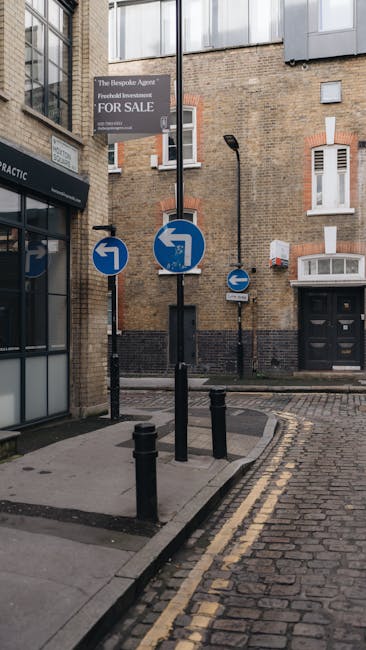
Moving in Brick Lane can be a bit of a puzzle. One minute you think you've got a straightforward removal, and the next you're staring at a tight stairwell, a van that feels one size too large, and a corner that seems designed by someone with no interest in furniture. If you're looking for Brick Lane removals tips for narrow access and tight turns, this guide walks you through the real-world stuff that helps: route planning, van choice, loading strategy, protection for your belongings, and the small checks that save a lot of stress on the day.
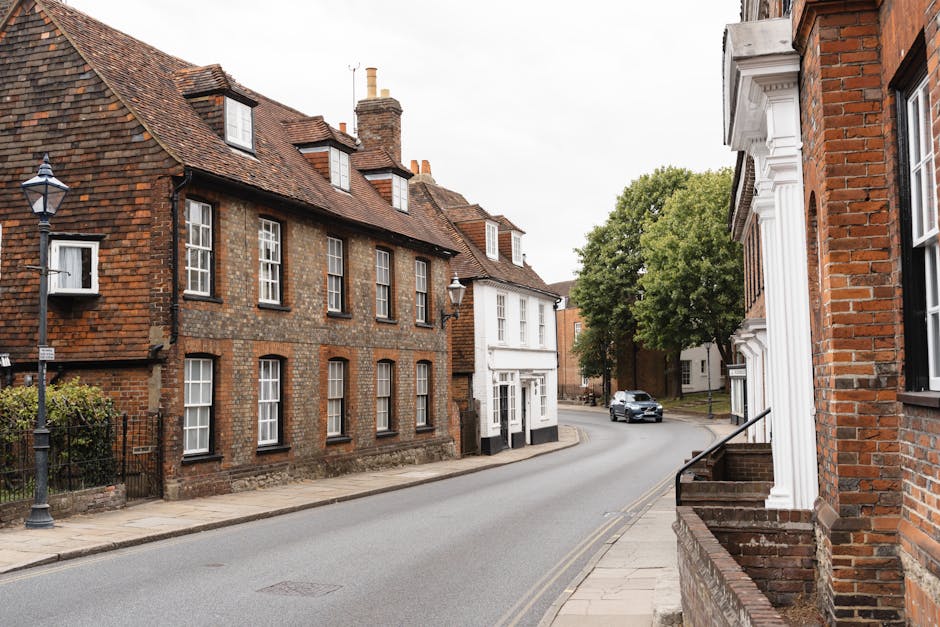
Brick Lane and the surrounding streets have their own rhythm. Delivery windows, busy foot traffic, awkward kerbs, basement flats, converted buildings, and sharp turns all change how a move needs to be handled. The good news? With the right preparation, even a tricky access job can go smoothly. Let's break it down properly.
Why Brick Lane removals tips for narrow access and tight turns Matters
A move becomes harder fast when the access is limited. A van may be parked legally but still not be usable if a turning point is too tight or the road is clogged with delivery traffic. In Brick Lane, that sort of problem is not rare. You can have the best packing in the world and still run into trouble if the vehicle cannot get close enough to the property.
Why does this matter so much? Because narrow access affects almost every part of the move:
- how far items must be carried
- how many trips the team needs to make
- whether large items can be loaded safely
- how much time the job takes
- how likely walls, bannisters, and door frames are to get marked
On a busy street like Brick Lane, time matters too. A vehicle that cannot turn properly can quickly become a problem for everyone behind it. The driver may need to reposition several times, or even choose a smaller vehicle from the start. That is not a failure; it is sensible planning.
Practical takeaway: narrow access is usually solved before move day, not during it. Measure early, walk the route, and choose a vehicle and method that fit the street rather than fighting it.
For people planning a flat move, it often helps to look at specialist flat removals support, especially when stairs, entry codes, or tight landings are part of the picture. If you're moving an entire home, home moves planning tends to work best when access is treated as a core part of the job, not an afterthought.
How Brick Lane removals tips for narrow access and tight turns Works
The basic idea is simple: match the move plan to the street, building, and load. In practice, that means checking the access, selecting the right vehicle, preparing the right equipment, and deciding how the load will move from property to van without forcing awkward angles.
A typical access-aware move follows a few stages:
- Pre-assessment - You check door widths, stair turns, parking options, turning space, and any overhead hazards like low awnings or branches.
- Vehicle choice - A smaller removal van or a flexible man and van setup may be better than a larger truck if the roads are tight.
- Load planning - Large, heavy, or fragile pieces are loaded in an order that avoids rehandling them.
- Protection and handling - Blankets, straps, and floor protection reduce knock damage in narrow hallways and awkward corners.
- On-the-day adjustment - If access is worse than expected, the crew may switch the route, park differently, or use extra carrying distance.
That flexibility is what keeps the move calm. Truth be told, narrow access removals rarely go perfectly on paper. But they do go well when the plan allows for a bit of reality.
If the job involves heavy or specialist items, you may need more than a standard van plan. For example, piano removals often need extra care around tight corners, stairs, and landings. A single wrong angle can turn a simple lift into an avoidable headache.
Key Benefits and Practical Advantages
Good access planning is not just about avoiding damage. It can save time, reduce lifting strain, and make the whole move feel far more manageable. In a dense area like Brick Lane, that is no small thing.
- Less risk of damage - Furniture is less likely to get scraped on brickwork, railings, or door frames.
- Faster loading and unloading - When the van is placed well, each item has a shorter carry distance.
- Better control in tight turns - The crew can steer items carefully rather than forcing them around corners.
- Lower stress for everyone - You are not trying to improvise in a cramped stairwell while the clock ticks on.
- More accurate pricing - A realistic access assessment helps quote the job properly in the first place.
There is also a subtle but important benefit: a better customer experience. People remember whether move day felt chaotic or handled. In our experience, it is usually the small things that create that feeling - a careful first walk-through, a calm driver, and a van parked where it actually helps.
If your move is linked to a bigger relocation, the same planning approach works well for office removals and commercial moves too. Business moves in tight streets need the same discipline, maybe more so because timing can be stricter.
Who This Is For and When It Makes Sense
This advice is for anyone moving in or around Brick Lane where access is not straightforward. That could be a top-floor flat, a basement apartment, a converted warehouse, or a property tucked down a narrow side street where vans need to reverse carefully. It also applies if you are moving at a busy time of day, when pedestrians and deliveries make manoeuvring harder.
It makes particular sense if you have any of the following:
- tight internal stairs
- limited kerbside space
- sharp corners near the front door
- large furniture pieces like wardrobes, beds, or sofas
- shared entrances with limited room to stage items
- parking that is nearby but not directly outside
Students and renters often run into this more than they expect. A move that looks small on a checklist can still be awkward if the building is old and the turn from hallway to stairwell is narrow. If that sounds familiar, student removals support can be a real relief because the planning is usually faster and more practical.
It also makes sense for people who are short on time. If you need things moved quickly and safely, same day removals can work, but only if access details are clear from the start. Same-day and narrow access do not naturally get along. You need precision.
Step-by-Step Guidance
Here is the most useful version of the process, stripped down to what actually helps on move day.
1. Measure the real access, not just the room
Measure doorways, hallways, stair widths, landings, and turning points. Do not rely on memory. We have all done that thing where a doorway "looked fine" in the morning and suddenly seems very small when a sofa arrives. It happens.
Also check:
- ceiling height on stair turns
- the swing of doors
- whether handrails narrow the route
- where the biggest items will need to pivot
2. Walk the route from the property to the van
It sounds simple, but it matters. Walk the route as if you were carrying a mattress, a table, or a boxed TV. Look for bottlenecks, bins, planters, awkward kerbs, and steps. One small obstacle can slow everything down when you are carrying something bulky.
3. Pick the right vehicle size
For narrow access, smaller can be better. A compact man with van arrangement may give you more flexibility than a larger vehicle if turning space is limited. For larger jobs, a bigger moving truck may still be fine, but only where the street layout allows it.
There is no prize for using the biggest vehicle. None at all.
4. Pack with turning points in mind
Flat items are easier to angle through corners than loose, overstuffed boxes. Keep heavy items in smaller boxes where possible. Use uniform box sizes for easier stacking. If the move includes a lot of packing support, packing and boxes help keep the load more controlled, especially in tight hallways.
5. Prepare furniture for easy manoeuvring
Remove legs where possible, take shelves out of units, and secure any doors. Wrap sharp edges. A sofa with loose cushions or a wardrobe with doors swinging open is a nuisance in a narrow stairwell. It is also a safety risk.
6. Decide where the van will stop
The stopping point matters nearly as much as the packing. A van that is parked five metres closer can reduce carrying time and reduce the chance of collision on the way back and forth. But it has to be placed safely and legally. In some cases, a slightly longer carry is better than a rushed parking manoeuvre that blocks the street.
7. Keep the lift sequence sensible
Load the awkward items first, then stack around them. At the property, move the easiest items out of the way before tackling the bulky ones. That way you are not trapped behind a pile of boxes while trying to angle a headboard around a turn. Not ideal.
Expert Tips for Better Results
Here is where the small wins live. These are the kinds of details that make a move feel smoother rather than merely survivable.
- Use towels or floor runners at pinch points. Even clean shoes and careful hands can mark paint or scuff floors in a narrow entrance.
- Protect corners twice, not once. On a tight turn, the first contact point is often the least obvious one.
- Keep one person focused on the route. Someone should be watching the path, not just the item. This helps when backing out of a landing or passing a doorway.
- Leave breathing space. It is better to pause for ten seconds than to force a lift through a turn that is obviously too tight.
- Separate fragile items early. Glass, mirrors, artwork, and lamps do not enjoy being shuffled around at the last minute.
A useful habit is to say out loud what the next move is: "turn left at the landing," "pause at the door," "lower after the frame." It sounds almost too basic, but clear communication really does reduce mistakes. Especially when everyone's tired and the street is busy.
If the load includes large household items, furniture removals support can help with the heavier, more awkward pieces. And if you have one or two items only, such as a sofa or a bed frame, furniture pick up may be a better fit than arranging a whole-van move.
Common Mistakes to Avoid
Narrow access removals usually go wrong for the same predictable reasons. The good thing is that most of them are avoidable.
- Not measuring properly. "It should fit" is not a measurement.
- Booking the wrong vehicle. Too big and you struggle with the street; too small and you create extra trips.
- Forgetting about turning space. A van may fit on the road but still be awkward to reverse or swing into position.
- Overpacking boxes. Heavy, awkward boxes are harder to pivot and more likely to split.
- Leaving packing until the last minute. That is how fragile items end up wrapped in a rush with half a duvet and a roll of tape.
- Assuming access is the same all day. In a busy area, delivery vehicles, pedestrians, and parked cars change the situation fast.
Another common mistake is treating the move as purely a loading problem. It is not. It is a route problem, a parking problem, and a handling problem all at once. When those pieces are planned together, the day feels far more manageable.
Tools, Resources and Recommendations
You do not need a truck full of specialist gear, but a few basics make a big difference in tight spaces.
| Tool or item | Why it helps | Best use in narrow access |
|---|---|---|
| Furniture blankets | Helps prevent scrapes and knocks | Useful on corners, stairs, and door frames |
| Ratchet straps | Keeps items stable in transit | Important when items have been angled into the van in a rush |
| Wheel trolleys | Reduces lifting strain | Good for flat entrances and level floors |
| Floor runners | Protects flooring from dirt and scuffs | Helpful in shared hallways and basement access |
| Corner guards | Protects walls and furniture edges | Worth using where turns are especially tight |
In practical terms, the most valuable resource is a good access briefing before the move. That can be as simple as photos, measurements, and a quick description of the street. If you are comparing removal support, removal services is a broad option for moves that need more than just transport, while removal companies can be useful when you want a fuller service structure around the job.
If packing is the bit you dread, packing and unpacking services can make the whole process less tiring. Honestly, that's often where people feel the biggest relief. The boxes disappear, the tape stops sticking to everything, and the day begins to feel survivable again.
Law, Compliance, Standards, or Best Practice
For a move in a public street, best practice matters. You do not need to know every technical detail, but it helps to understand the basics. Parking, loading, access, and manual handling should all be approached carefully. In the UK, moving work is usually shaped by general duties around safe lifting, safe vehicle use, and avoiding unnecessary obstruction or damage. The exact requirements depend on the situation, so it is wise to work with a team that treats safety as part of the job rather than a box to tick.
That means:
- not forcing heavy lifts through unsafe spaces
- planning around pedestrians and neighbours
- using suitable equipment for the item and route
- being realistic about timing and access limitations
- following the provider's own safety and insurance procedures
If you are booking professional help, it is sensible to read the company's health and safety policy and insurance and safety information before move day. Also worth checking the terms and conditions and pricing and quotes approach so there are no surprises later on.
If a move needs to be rearranged, stored temporarily, or split into stages because of access limitations, storage can be a useful bridge between properties. That is particularly handy when one address is ready before the other, which happens more often than people like to admit.
Options, Methods, or Comparison Table
There is more than one way to handle a Brick Lane move with narrow access. The right choice depends on the size of the load, the street layout, and how much manual handling you want to take on.
| Method | Best for | Pros | Trade-offs |
|---|---|---|---|
| Small van move | Single flats, lighter loads, awkward streets | Flexible, easier to park and turn | May need more trips for larger moves |
| Man and van | Mixed loads, short notice, tight access | Simple, adaptable, good for local moves | Less capacity than a larger vehicle |
| Large removal truck | Full house or office moves with usable road access | More capacity in one trip | Harder to manage on narrow turns |
| Split move | Staged access, difficult buildings, mixed timing | Reduces pressure on one day | Needs more coordination |
For many Brick Lane jobs, the middle ground works best. A flexible vehicle plus a calm loading plan often beats trying to squeeze a larger setup into a street that was never designed for it. If you need a dedicated van-based approach, man with a van and man with van style services are often the most practical fit for tricky access. They are not glamorous, but they get the job done.
Case Study or Real-World Example
Here is a realistic example. A couple moved from a first-floor flat off Brick Lane into a new place a short distance away. The flat itself was not huge, but the hallway was narrow and the stair turn was awkward enough that a standard wardrobe would not pass cleanly unless it was angled carefully. The street outside had limited space and pedestrians coming and going constantly.
Instead of trying to force a larger vehicle into a tight spot, the move was planned with a smaller van and an early access check. The wardrobe was emptied, the doors were secured, and the bed frame was broken down first. Two smaller boxes were used for the heaviest items rather than one overfilled one. That meant each carry was controlled, not rushed.
The day still had its moments. One delivery vehicle briefly blocked the road, and the team had to wait a few minutes before loading the sofa. Not a drama. Just one of those London things. Because the access plan was sensible, the delay did not cascade into a bigger problem.
That is the pattern with most successful tight-turn moves: the plan is flexible enough to absorb one or two surprises. It does not pretend the street will behave perfectly. Very handy, that attitude.
Practical Checklist
Use this as a quick pre-move check if your property sits on a narrow street or has a tricky corner to negotiate.
- Measure the widest item and the narrowest doorway or stair turn
- Check parking and stopping space near the property
- Photograph the entrance, stairs, and any tight turns
- Confirm whether large furniture needs dismantling
- Pack fragile items separately and clearly label them
- Keep pathways clear of boxes, shoes, and loose clutter
- Choose the vehicle size based on access, not just volume
- Tell the mover about steep steps, basement entries, or shared hallways
- Protect floors and corners in advance
- Have a backup plan if the vehicle cannot stop exactly outside
Useful reminder: if you would not want to carry it around a tight corner in one go, do not wait until move day to find that out.
Conclusion
Brick Lane removals are perfectly manageable when narrow access and tight turns are treated as the main planning issue, not a side note. Measure properly, choose a vehicle that fits the street, pack in a way that supports safe handling, and keep the route clear from door to van. Those basics solve most of the headache before it starts.
And if the move feels a bit fiddly, that does not mean it is a bad move or a complicated life problem. It just means the street is being a street. With the right preparation, the whole thing becomes calmer, safer, and a lot less exhausting.
Get a free quote today and see how much you can save.
Frequently Asked Questions
What is the best vehicle for Brick Lane removals with narrow access?
Usually the best vehicle is the smallest one that can still carry your load safely. A compact van or flexible man-and-van setup is often easier to park and manoeuvre than a larger truck on tight streets.
How do I know if my furniture will fit through a tight turn?
Measure the widest part of the item and compare it with the narrowest point on the route, including corners and landings. If there is any doubt, dismantle the furniture first or ask for a pre-move check.
Should I dismantle furniture before a narrow access move?
Yes, if it can be done safely. Beds, wardrobes, tables, and shelving units are often easier to move in parts. It reduces pressure on corners and lowers the chance of damage.
Can a removal van park close enough on Brick Lane?
Sometimes yes, sometimes no. It depends on the time of day, nearby traffic, loading restrictions, and what else is happening on the street. A good move plan always includes a backup parking position.
Is a same-day move realistic if access is tight?
It can be, but only if the access details are clear and the load is manageable. Tight access adds complexity, so the tighter the timetable, the more important planning becomes.
What should I tell the mover before move day?
Tell them about stairs, narrow halls, low ceilings, tight turns, parking issues, heavy furniture, and anything that might slow loading. Photos are often the quickest way to explain access problems clearly.
How can I protect walls and floors during a tricky move?
Use floor runners, furniture blankets, and corner protection. Clear the route as much as possible and avoid carrying extra items through the same space at the same time.
Are tight-turn moves more expensive?
They can be, depending on the extra time, labour, or equipment needed. That said, a realistic quote from the start is better than a low quote followed by problems on the day.
What if the van cannot get directly outside my property?
Then the team may need to park a little further away and carry items a longer distance. It is not ideal, but with the right packing and route planning, it is usually workable.
Do student moves in Brick Lane need the same planning?
Often yes. Student moves can look small but still involve awkward stairs, shared entrances, or limited parking. A simple flat move can become fiddly very quickly if access is poor.
Where can I find more help for home or flat moves?
If you want a broader service approach, look at removals, house removals, and house removalists depending on the size and type of move.
What's the safest way to handle bulky items in narrow hallways?
Break them down if possible, use two people for control, and keep the item angled only as much as necessary. If it starts to feel forced, stop and reassess. That short pause can save a lot of trouble.
Can I ask for packing help as part of the move?
Yes, and it often makes narrow access jobs easier because properly packed boxes are simpler to carry and stack. Packing and unpacking services can take a lot of pressure off the day.
What should I do if I need short-term storage before moving in?
Temporary storage can bridge the gap if the new place is not ready or access windows do not line up neatly. It is a practical option when timing and narrow access make a one-day move awkward.
For a move that feels tightly packed in every sense, the calmest route is usually the simplest one: plan early, measure honestly, and give the access problem the attention it deserves. That little bit of care goes a long way, and it tends to make the day feel much lighter.